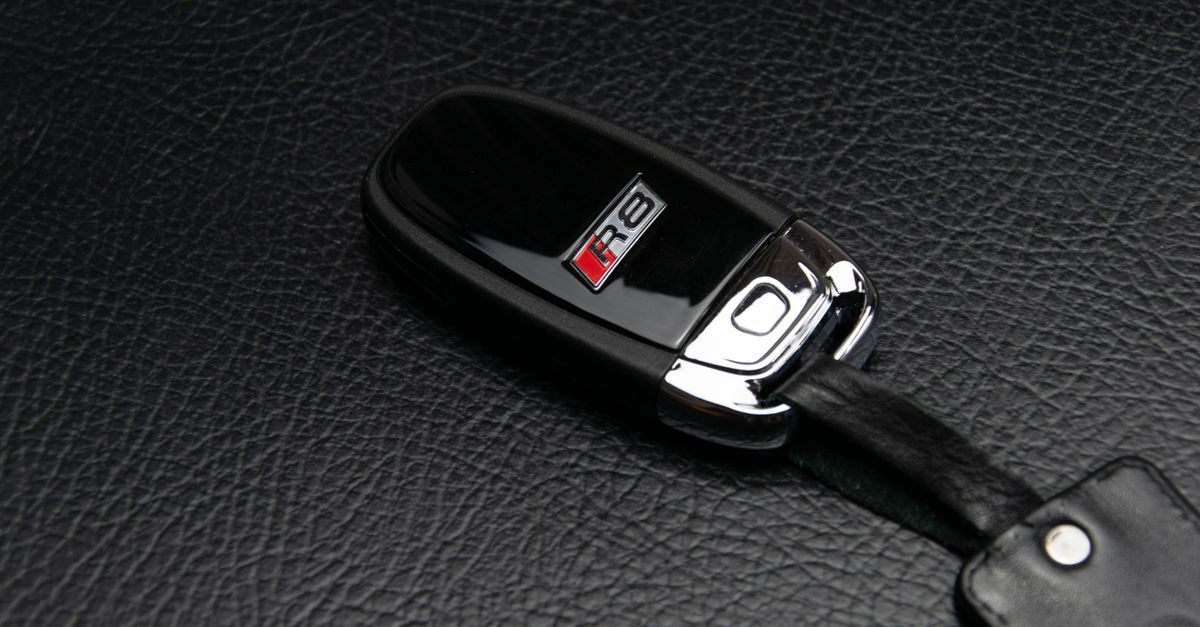
What Makes Audi Car Key Replacement More Complex Than a Standard Key Cut
Audi has used rolling-code transponder technology since the mid-1990s, and every generation since has added another layer of electronic security. A standard key cut only addresses the physical blade — the part that turns the ignition barrel or door lock cylinder. The chip inside the key head, or embedded in the fob shell, must also be programmed to match your car's immobilizer. Without that programming step, a perfectly cut key will crank the ignition but the engine will refuse to start. Our technicians use professional-grade OBD-II programming tools to handle Audi's proprietary immobilizer protocols, which means the replacement key functions exactly as the original.
Audi's lineup spans a wide range of key types depending on the model year and trim. Older A4, A6, and TT models typically use a switchblade-style remote head key with a transponder chip. Newer Q5, Q7, Q8, A3, and RS-series vehicles often use a proximity smart key that communicates with the car passively — you never have to remove it from your pocket to unlock or start the car. Some recent Audi models have also introduced the Audi Phone Box feature and virtual key options. Knowing exactly which system your vehicle uses before we arrive allows our technicians to bring the correct blank and programming software, which is why we ask for your year, model, and VIN when you call.