Car Key Replacement by Vehicle Brand: What Actually Changes
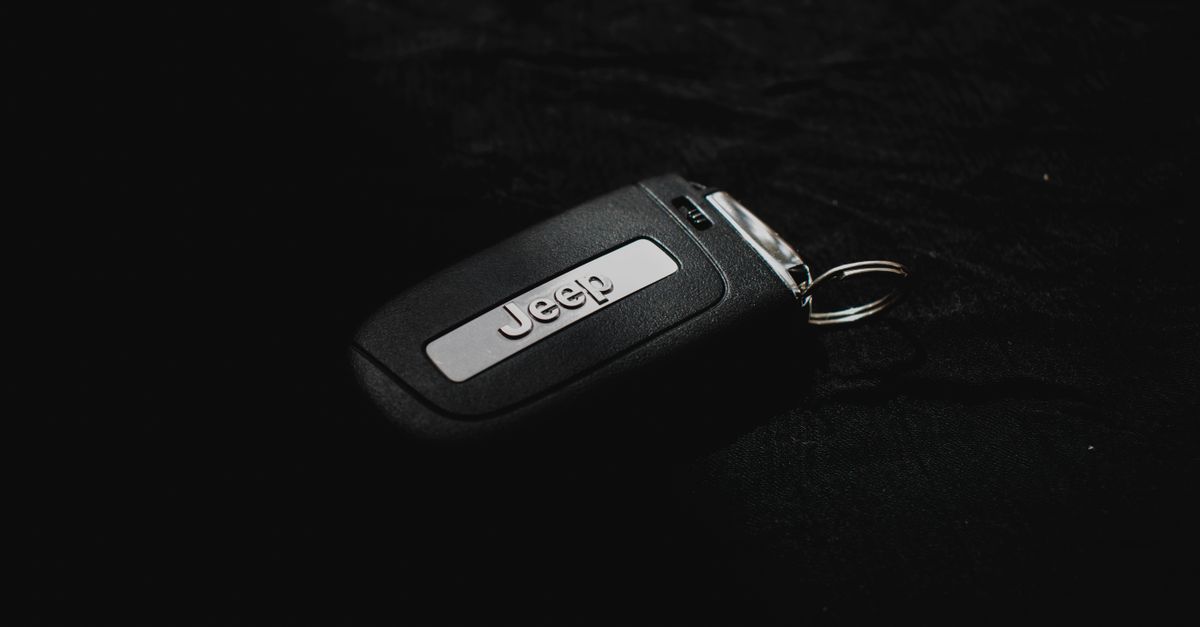
The process of cutting and programming a replacement key is not one-size-fits-all — it varies significantly depending on the manufacturer, model year, and key type your vehicle uses. Toyota and Lexus vehicles manufactured after 2010 typically use an 80-bit DST encryption chip that requires specialized OBD-II programming to synchronize with the immobilizer. Honda and Acura keys from the mid-2000s onward use a separate ID transponder that must be cloned or newly programmed to the car's ECU. Ford and Lincoln vehicles, particularly those with the PATS (Passive Anti-Theft System), require a minimum of two working keys present during programming on some model years — our technicians carry the tools to bypass that requirement legitimately when you are down to zero keys. GM vehicles including Chevrolet, Buick, GMC, and Cadillac have used multiple transponder generations, and push-to-start systems on newer models demand RFID proximity key programming that is distinct from standard transponder work. German brands — BMW, Mercedes-Benz, Audi, and Volkswagen — are among the most complex, with encrypted key data tied to the vehicle's VIN and often requiring dealer-level diagnostic software. Our team carries that software. Hyundai, Kia, Nissan, Subaru, Chrysler, Jeep, Ram, and Dodge vehicles each have their own protocols, and we stay current with them all.
Fob-only replacement (when your physical key still works but the remote buttons have failed) is a separate, often quicker service involving radio-frequency pairing rather than transponder programming. Proximity or smart keys used in push-to-start vehicles add yet another layer: the fob must be both RF-paired and transponder-synchronized to allow ignition. When you call (702) 825-7668, our dispatch team will ask for your year, make, model, and trim level so we can confirm the right equipment and parts are loaded before the technician heads your way.